Despite progress, women still encounter barriers pursuing leadership roles in many professional domains. They navigate systemic biases, limited support structures, and cultural norms erecting obstacles on the path to advancement. A compassionate guide through this challenging landscape proves invaluable.
Career coaching provides personalized guidance enabling women to realize their highest potential. Coaches build strategic skill sets allowing women to thrive within organizations not yet restructured for equity. Their support unlocks access to opportunities matching talented women with leadership roles transforming society.
Navigating workplace gender biases
Women often face unconscious biases and gender stereotypes in the workplace that can negatively impact their careers. A career coach can provide guidance on recognizing common biases and developing strategies to address them.
Understanding unconscious gender biases
Unconscious biases refer to assumptions and stereotypes that individuals form unconsciously about certain groups. These biases negatively affect women in areas like hiring, promotion, salary negotiations, and day-to-day workplace interactions.
For example, words like “pushy,” “bossy,” and “aggressive” are more likely to be used to describe women in leadership roles despite using the same behaviors as male leaders who are considered “assertive”. Women also tend to receive vague feedback focused on communication style rather than business outcomes compared to men.
Overcoming imposter syndrome and building confidence
Many high-achieving women experience imposter syndrome, characterized by feelings of self-doubt and not being good enough despite evidence of high capability. This can prevent women from getting recognized for their accomplishments and taking on more challenging assignments that enable advancement.
A career coach can provide concrete feedback on a woman’s proven skills and achievements to reinforce her capabilities. They can also equip women with confidence building techniques like recognizing personal strengths, maintaining a growth mindset, and reframing anxious self-talk.
Asserting yourself in the workplace
Women are often penalized for advocating forcefully for themselves at work through promotions, assignments, resources, etc. Gender norms portray these behaviors as more acceptable for men.
A career coach can strategize with women on effective language, communication style, and framing to assert themselves at work while avoiding backlash. This includes emphasizing organizational priorities, adopting an authoritative communication style focused on benefits rather than demands, gathering objective evidence to support requests, and enlisting social support from colleagues.
Reporting discriminatory practices
If serious gender discrimination occurs, a career coach can advise women on safely reporting these practices either internally to HR/leadership or by filing a claim with the Equal Employment Opportunity Commission (EEOC). They can provide guidance on documenting incidents, identifying allies and social support, and managing potential retaliation.
While reporting discrimination poses risks, career coaches help women make informed choices that align with their goals and values.
Identifying supportive employers
Since addressing systemic workplace gender bias often proves challenging, career coaches also guide women toward organizations with better support structures for women’s advancement and flexibility. This includes criteria like family leave policies, leadership diversity, women’s networking groups, etc.
Thoughtfully selecting more equitable employers can allow women to focus less energy battling engrained gender barriers.
Managing discouragement
The persistent experience of unconscious bias and systemic barriers produces discouragement for many women pursuing leadership. A career coach empowers women to maintain resilience and not internalize discouraging experiences as personal shortcomings. Reframing these as symptoms of entrenched systems rather than individual failure allows women to persist through challenges on the leadership path.
Setting career goals aligned with personal values
An important element of career coaching for women is guiding them to set career goals and aspirations that align with their personal values and priorities beyond just professional advancement. This leads to greater motivation, fulfillment, and ability to manage work-life integration.
Clarifying core values
A career coach first helps women get clarity on their core values – characteristics, causes, relationships, and pursuits that provide a sense of meaning and purpose. These values act as an “inner compass” to guide major life and career choices.
For example, important values could include creativity, work-life balance, helping others, intellectual stimulation, leadership, etc. The coach facilitates self-reflection exercises to draw out a woman’s authentic values rather than those imposed societally.
Exploring career alignment
Next, the career coach examines possible career paths/roles for alignment with the woman’s clarified values. This ensures she pursues opportunities reflecting her authentic self rather than traditional norms.
For instance, if work-life balance ranks highly but a current fast-paced corporate job requires extensive travel and long hours, goals would shift toward roles or organizations enabling more family time.
Goal setting and accountability
The coach collaborates with each woman to define practical short and long-term career goals manifesting her values like engaging work, acceptable pay, flexible schedules, caregiving leaves, training budgets, etc. Detailed milestones plot the path to achieve each goal.
Regular accountability meetings with the career coach track progress on goals, overcoming obstacles and updating plans as needed. This structured support increases follow-through.
Negotiating work-life integration
Women often struggle getting support for personal responsibilities viewed as disruptive to the “ideal worker” archetype prioritizing work above all else. Career coaching builds women’s confidence and skills in negotiating customized arrangements allowing better work-life integration.
This can involve exploring varied options like flexible arrival/departure times, occasional remote work, collaborating on long-term projects vs. rigid daily tasks, leveraging daycare benefits, using accrued time off, etc. Women coach each other on constructing a compelling business case for arrangements upholding their productivity while honoring personal needs.
The Value-First Practitioner (Free Guide)
Discover how 10,000+ practitioners grow their practices through client transformation, not marketing.
Building confidence and overcoming imposter syndrome
Imposter syndrome is prevalent among successful women and refers to a psychological pattern where individuals doubt their skills, talents or accomplishments and have an persistent fear of being exposed as a “fraud”. Career coaches employ evidence-based techniques to build women’s confidence and overcome imposter syndrome barriers to advancement.
Identifying distorted thought patterns
Career coaches help women recognize cognitive distortions causing imposter feelings like:
- Black & white thinking – viewing abilities in extreme categories rather than a spectrum
- Discounting positives – downplaying accomplishments as luck while emphasizing weaknesses
- Negative filtering – focusing exclusively on criticism rather than balanced feedback
Bringing these thought patterns into awareness paves the way for reshaping them.
Refocusing on evidence of competence
Once negative thought cycles taking hold get exposed, career coaches lead women through exercises gathering tangible evidence of skills and successes counteracting imposter notions.
This shifts attention to earned qualifications, previous positive feedback, technical skills mastered, workplace awards won, projects executed successfully and other hard evidence substantiating one’s capabilities.
Owning accomplishments
Similarly, women practice restructuring core beliefs about the origins of accomplishments by examining limiting assumptions like:
- “I was just lucky.”
- “I had easy access to resources and support.”
- “Anyone could have done this.”
The coach facilitates replacing these with empowering perspectives owning one’s talent, decision-making, perseverance and resilience driving successes.
Managing high-stakes situations
Coaches equip women with practical self-regulation techniques allowing them to channel nervous energy productively rather than let anxiety or fear spiral out of control in critical situations like job interviews, high-pressure projects, salary negotiations and public speaking.
These include tactical stress management strategies like focused breathing, centering prayer, cognitive reframing of self-limiting narratives, and tapping specific acupressure points. Yoga, mindfulness and therapeutic writing also help calm racing thoughts.
Developing leadership, negotiation, and public speaking skills
Women often face barriers developing key professional competencies like leadership, negotiation, and public speaking. A career coach builds critical skill sets through customized training enabling women to excel in these areas.
Cultivating an empowered leadership style
Traditional command-and-control leadership models prove problematic for women who get labeled unfavorably for displaying the same traits as successful male leaders. Coaches work with women on leading through influence, elevating others, and conveying warmth along with competence to overcome double standards.
Training focuses on areas like redefining leadership as a process rather than a position, leading with authenticity, cultivating inclusive decision-making, delegating effectively, managing conflict, and developing executive presence through communication style and body language.
Building negotiation capabilities
Women often negotiate less aggressively than men, hindering compensation growth over time. Career coaches provide negotiation skills training to overcome hesitancy in asking for promotions, raises, and resources. This expands earning potential and career options.
Women learn tactical techniques like anchoring negotiations with objective data, establishing ambiguity to enable concessions, making multipleasks to camouflage priorities, practicing consistent self-advocacy, and leveraging win-win collaborative framing.
Mastering public speaking skills
Public speaking serves as a gateway to leadership, requiring key skills like commanding presence, persuasive communication, and grace under pressure. coaches help women overcome speech-related anxiety and polish presence.
The training process focuses on content development, verbal delivery, nonverbal body language, audience connection, slide design, and crisis management techniques allowing a speaker to smoothly handle problems like technical glitches, disruptions or early time expiration.
Balancing work obligations with family responsibilities
Juggling demanding work obligations while also fulfilling caretaking duties poses challenges for many working women. A career coach provides support in setting boundaries, advocating needs to employers, and designing sustainable integration approaches allowing women to thrive in both professional and personal life domains.
Assessing work-life fit
The coach first assesses areas of misalignment between work obligations and family needs that produce the most tension for each woman. This reveals priorities for cultivating better work-life fit.
For instance, frequent evening work events may conflict with caring for young children at home or elder relatives, requiring compromise. Or intense periods of business travel undermine family stability, signaling the need for more reasonable limits.
Communicating needs & setting boundaries
Once priority issues surface, the career coach equips women with language and techniques for respectfully but firmly communicating work-life integration needs with managers and negotiating updated expectations or accommodations. This expertise overcoming hesitancy serves women well throughout their career.
Constructive conversations focus on tangible evidence demonstrating how revised arrangements would benefit the whole organization through enhanced employee engagement, retention, inclusion or other priority area while also allowing women to uphold family obligations.
Exploring integration strategies
If employers resist making formal policy changes, career coaches help women design customized integration solutions reflecting personal priorities. Strategies might include:
- Blocking off sacrosanct family time on calendars before scheduling other obligations
- Setting reasonable work hour limits with automated email replies enforcing boundaries
- Occasionally working remotely during busy family periods
- Leveraging available childcare benefits like onsite providers or subsidies
- Pooling resources with other working parents for sharing school drop-offs or sick child care
- Taking brief rejuvenating breaks torefocus attention during hectic days
Testing personalized approaches allows refinement to sustainably meet both work and family goals.
Managingtrade-offs
Naturally, work-family integration involves compromises on both sides. An empathetic career coach normalizes that no perfect solution exists which smoothly accommodates competing demands.
Working women must thoughtfully navigate choices between pacing career advancement and fulfilling caretaking duties based on evolvoing priorities. Coaches guide women throughvalues clarification, envisioning potential future regrets, contingency planning and other reflective exercises supporting difficult trade-off decisions.
This facilitates making intentional choices women feel empowered by rather than overwhelmed with guilt and inner turmoil.
Creating support and mentoring networks
Career coaches emphasize the importance of creating strong support and mentoring networks to help women navigate workplace challenges, gain insights and strategy, and expand possibilities for advancement.
Joining women’s employee resource groups
Many organizations now host women’s forums or networks providing connections with peers facing similar barriers. These groups build solidarity, allow safely venting frustrations, and foster collective wisdom on overcoming systemic biases or imbalance issues.
Career coaches prompt working women to actively participate in such forums for camaraderie and exchanging tactical tips on topics like flex work arrangements, regaining confidence after setbacks, managing difficult personalities, and advancing into leadership.
Seeking informal work mentors
Coaches emphasize pursuing informal mentorship from seasoned female colleagues who generously share perspectives and lessons learned navigating oppression. Accessing this empathetic guidance tailors strategies to workplace realities often unfamiliar to those just entering the field.
Informal mentors get approached interpersonally through authentic connection. Coaches provide mentee training on appropriately scoping conversations, listening without judgement and reciprocating value to make informal arrangements sustainable.
Building extended career support circles
Beyond immediate colleagues, career coaches prompt women to construct diverse support circles including friends, former managers, university alumni, community members and family. This multi-faceted system offers personal encouragement, job search connections, childcare swaps, crisis support and other resources to manage competing priorities.
Coaches train women on nurturing reciprocal relationships where she contributes value, not just seeking help. This expands the pie of shared support compared to a mentorship model relying on senior guidance.
Accessing formal sponsorship programs
Some organizations now fund formal sponsorship initiatives where senior executive “sponsors” advocate for high-potential women leaders. This powerful, public endorsement accelerates visibility and promotion.
Coaches prepare women on confidently conveying their accomplishments, leadership capabilities and career goals when selected into sponsorship programs. This showcases talents prompting advocacy to decision-makers controlling advancement opportunities otherwise inaccessible.
Conclusion
Career coaching provides women with specialized guidance and support to recognize their full leadership potential. Coaches build strategic skills to thrive within organizations and access opportunities matching talented women with roles transforming society.
By cultivating empowered mindsets, expanding networks, and negotiating integrative arrangements, women can make intentional choices aligned with personal values. This enables persisting through systemic barriers still awaiting reconstruction. A compass pointing toward purpose propels women ever forward.
Frequently Asked Questions
Career coaches employ proven techniques to help women recognize and reshape the distorted thought patterns driving imposter syndrome such as discounting accomplishments or negative filtering of feedback.
By guiding women through exercises gathering tangible evidence of existing skills and achievements, coaches reinforce one’s capabilities and build more empowering narratives to overcome self-limiting beliefs.
Beyond concrete qualifications, career coaches develop critical soft skills helping women excel in leadership roles, negotiations and public communications where female stereotypes often introduce disadvantage.
This includes cultivating executive presence, commanding influence through warmth and strength, advocating needs effectively, delegating strategically, resolving conflict smoothly, and conveying ideas persuasively to diverse audiences.
Career coaches help women evaluate priorities and boundaries to determine sustainable work-life integration solutions. This includes setting communication frameworks for respectfully discussing needs with managers.
Coaches also provide alternative arrangements from leveraging childcare benefits, blocking off family time in calendars, occasionally remote working or pooling resources with other parents. Refining approaches through values clarification and contingency planning helps women make intentional choices.
Career coaches build critical skill sets through customized training programs focused on elevating women’s capabilities in areas like:
– Authentic, inclusive leadership models based on influence rather than control
– Salary negotiations and persistent self-advocacy
– Public speaking presence including content, delivery and crisis management
– Workplace gender bias identification and response strategies
– Networking and sponsorship relationship development
Systemic societal and workplace gender biases still hinder women from accessing leadership opportunities on par with equivalent male peers.
Specialized career coaching builds strategic capabilities tailored to overcoming these barriers whether through skill building to defy double standards, confidence cultivated to defeat imposter syndrome or arrangements negotiated enabling work-life integration.
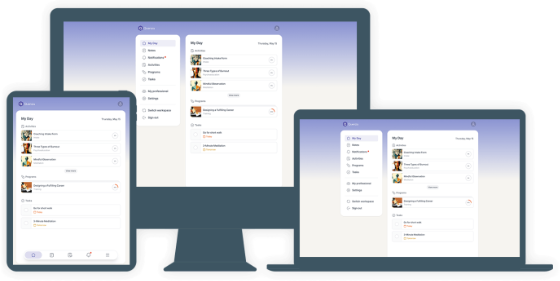
Start Your Free 30-Day Trial
Support your clients between sessions, where real change happens. Try Quenza free for 30 days and add up to 5 clients at no cost.