Navigating today’s dynamic job market to maximize your potential requires proactive career management. Yet crafting an optimal career strategy independently can seem overwhelmingly complex. Fortunately, partnering with a seasoned career coach makes accelerating professional growth and advancement markedly more achievable.
An adept career coach provides invaluable guidance at every phase, from gaining clarity on your talents and interests to mapping suitable roles to devising customized action plans. Hands-on coaching sharpens critical capabilities like networking, interviewing and negotiating while reinforcing mental fitness and motivation essential for persevering through obstacles.
Gaining Clarity on Career Goals
One of the most valuable benefits of working with a career coach is gaining more clarity and focus regarding your career aspirations and goals. Career coaching provides structured guidance and support to help you better understand your skills, interests, values and priorities.
Understanding Your True Interests and Passions
Often, people have only a vague notion of what they want from their career. A career coach can help you identify your authentic passions, interests and motivations – beyond just what pays well or seems glamorous on the surface. By getting to the heart of what truly motivates you, career coaching enables you to set goals aligned with your innate talents and values.
For example, a career coach may utilize assessments to determine your strengths and weaknesses. They may also guide you through values clarification and visioning exercises focused on your ideal future career. This process gives you a clearer sense of careers and jobs where you can thrive and find meaning.
Gaining Insight on Suitable Career Options
Once your interests and motivations are clarified, a career coach can then help you identify potential career paths or specific jobs that are a good match. They can draw on their extensive knowledge of various industries and roles to map your passions to viable options you may not have previously considered.
This exploration process is extremely useful if you feel stuck in your career search or unsure where to start. It expands your horizons beyond the limited set of options you may have been consciously aware of up until now.
Understanding Transferable Skills
A career coach can also illuminate the broader transferable skills you have developed in your past jobs, education or other life experiences. Often, these transferable skills – like communication, analysis or leadership – open up new career directions you may not have recognized on your own.
By thoroughly reviewing your background and accomplishments with an experienced coach, you can gain a whole new perspective on your talents. This allows you to set career goals that fully leverage your capabilities, even if they are in a completely different field.
Establishing Meaningful, Achievable Goals
With a deeper understanding of your own motivations, interests, skills and suitable career paths, you can then work with your coach to define meaningful, personalized career goals. These goals will stretch you professionally while still being realistic and achievable.
For example, after gaining clarity that your strengths lay in client service and relationship-building, you may set a goal to transition from banking to a client-facing sales or marketing leadership role. The progress towards meaningful goals like this fuels ongoing motivation and career satisfaction.
Working with a coach facilitates invaluable self-reflection and career exploration. This builds clarity regarding impactful yet attainable career goals aligned with your innate passions and talents. With defined career goals in hand, you can then create a deliberate, focused action plan to realize your aspirations.
Building a Strategic Job Search Plan
Another major benefit of working with a career coach is developing a tailored strategic plan to guide your job search. An experienced coach can create a personalized step-by-step roadmap optimized for your target field and goals.
Identifying Target Companies and Roles
A key first step is determining specific companies or organizations and open positions to pursue that align with your career aspirations. Rather than just applying randomly to any jobs that may fit, a strategic plan involves proactively researching and identifying roles and employers offering strong potential matches.
For example, your coach may have you research the top firms in your city hiring for marketing managers. You would compile a list of companies that interest you and appear to have openings requiring your background and skills.
Creating this focused target list helps you prioritize and directs your efforts rather than scattering applications broadly. It enables you to customize your application materials for each promising opportunity.
Crafting a Standout Resume and Cover Letters
With your goals clarified and target opportunities identified, a coach then guides you to develop customized, compelling application documents. This includes optimizing your resume to align with your career aims and highlight relevant experiences. It also involves writing strong cover letters that capture the hiring manager’s attention and motivate them to advance you.
An experienced career coach brings extensive expertise honing resumes and cover letters that get results. They provide objective feedback to improve your documents and help you emphasize the accomplishments most relevant for each application.
With polished, tailored documents in hand, you can apply with greatly increased confidence, knowing your materials position you as an impressive candidate.
Expanding Your Network Strategically
Beyond formal job applications, a strategic career plan also leverages networking to open up unadvertised opportunities. A coach assists you to identify contacts within your existing connections who may facilitate introductions at target companies.
You learn how to nurture these relationships professionally, conducting informational interviews to advance your visibility within the industry. Rather than networking randomly, a strategic approach focuses on cultivating connections most likely to bear fruit.
Expanding your network in this deliberate, targeted way allows you to access insider information on forthcoming roles. It also positions you to be top-of-mind once hiring managers are ready to fill positions.
Preparing to Ace Interviews
With the help of your coach, once you have secured job interviews a strategic plan then maps out thorough preparation. This includes researching the role, organization, interview format and likely questions you may face.
You roleplay responses focusing on conveying your fit while highlighting relevant accomplishments. A coach provides honest feedback to strengthen your interview skills and build confidence. Thorough preparation of this nature drastically increases your chances of performing strongly.
Working with a career coach facilitates creating a focused step-by-step strategy to steer your job search. This organized roadmap with customized application documents, optimized networking and interview readiness best positions you to seize opportunities aligned with your goals.
The Value-First Practitioner (Free Guide)
Discover how 10,000+ practitioners grow their practices through client transformation, not marketing.
Developing and Improving Soft Skills
In addition to technical job skills, well-developed soft skills like communication, emotional intelligence and collaboration are essential for career advancement. An experienced career coach can provide invaluable guidance to strengthen these critical soft skills over time through tailored feedback and development plans.
Enhancing Communication Capabilities
Communication skills are consistently ranked among the most vital capabilities employers look for across virtually all roles and industries. Yet many people struggle to clearly convey ideas, actively listen, deliver effective presentations or influence stakeholders.
A career coach helps assess your current communication strengths and development areas through observation and feedback. You may record practice presentations or roleplay client meetings to review where your verbal and non-verbal communication falters. Constructive criticism spotlights poor articulation, distracting mannerisms or failure to read audience reactions.
Armed with this objective input, you can then work on enhancing communication abilities. Your coach provides proven techniques to structure messages logically, utilize storytelling for impact, project confidence through body language and more. Tailored training sharpens written, verbal and interpersonal communications critical for leadership.
Building Emotional Intelligence
Emotional intelligence or EQ encompasses self-awareness, self-regulation, empathy and relationship management. High EQ allows you to understand your own and others’ emotions, motivations and behaviors to interact positively. EQ is central to career success, enabling influential leadership, conflict resolution and team cohesion.
Unfortunately EQ can be challenging to improve alone, since it involves deep self-reflection many avoid. A coach uses psychometric tests, journals, roleplaying and questionnaires to uncover your emotional intelligence strengths and weaknesses. You gain insight on emotional triggers, stress reactions, conflict management blind spots and more.
Equipped with enhanced self-understanding, you can then expand emotional intelligence through maintaining self-control in challenging situations, addressing problematic patterns and learning to inspire others. Boosting EQ this way allows more authentic, thoughtful leadership.
Reinforcing Other Interpersonal Skills
Myriad other “soft” skills contribute to fruitful collaboration, stakeholder buy-in and team leadership. A coach pinpoints development areas such as initiative, accountability, negotiation, delegation or decision-making through assessments and observation. You dissect recent examples where ineffective application of these skills undermined credibility or relationships.
Your coach then shares research-backed methods targeting the specific skills needing improvement. For instance, you may learn proven techniques to provide constructive feedback, facilitate productive meetings or resolve team conflicts. Practicing these strategies in simulated environments ingrains positive habits critical for management and executive roles.
Ongoing access to an objective outside advisor helps illuminate interpersonal blind spots you may be oblivious to on your own. Constructive feedback aligned to organizational competencies and training focused on priority development areas promotes rapid soft skills growth.
Mastering soft skills builds confidence and maximizes your workplace influence. A career coach’s external guidance accelerates developing these talents through assessments, training, simulations and continual progress tracking tailored to your exact needs.
Expanding Your Professional Network
Expanding your professional network is a pivotal benefit of working with a career coach. An adept coach helps you systematically build connections within your target industry, opening doors for career progression. This facilitates access to insider opportunities and elevates your visibility among key decision-makers.
Identifying the Right Contacts
Effective networking starts with pinpointing the right people to connect with. An experienced career coach assists you to map your existing network and find contacts who can introduce you to leaders in your focus area. For example, you may identify 2nd-degree connections on LinkedIn who work for ideal employers and could facilitate warm referrals.
Your coach also shares creative ideas for expanding your network by attending relevant conferences, joining professional associations and connecting with company alumni. Taking a strategic approach allows you to prioritize outreach to contacts most likely to advance your aims.
Crafting Customized Outreach
With high-potential contacts identified, your coach then helps you structure compelling outreach. You learn networking best practices such as leading with value by offering industry insights before making any asks. Your coach reviews sample messaging, ensuring you convey shared interests to establish rapport.
For example, before reaching out you may research a contact’s career path, current projects, employer priorities and personal hobbies. Highly customized messaging like this demonstrates sincere interest, increasing engagement likelihood.
Conducting Effective Informational Interviews
As you secure informational meetings, your coach prepares you to maximize their impact. You roleplay to polish introduction and interview skills for relaxed yet influential conversations. Your coach highlights insightful questions to uncover non-public opportunities while avoiding overly aggressive self-promotion.
Thoughtful preparation allows you to connect genuinely, conveying your value while learning about potential openings or collaborations. Follow-up demonstrates dependability and keeps you top of mind. Cultivating strategic relationships this way expands possibilities exponentially.
Leveraging Contacts for Job Opportunities
As you build solid connections, a coach guides you to leverage them for job search advantage. You learn to share target roles and companies, harnessing your network’s knowledge and referrals. Well-nurtured contacts keep you updated on forthcoming openings which may never be publicly listed.
For example, a former colleague may connect you to a hiring manager at your dream company. This could facilitate an internal recommendation and priority interview scheduling. Strategic networking of this nature surfaces exclusive options and fast-tracks consideration.
A career coach helps systematically build an expansive industry network targeting key influencers. This opens doors to concealed opportunities while elevating your personal brand. Prioritizing meaningful engagement with well-selected contacts catalyzes career advancement exponentially.
Learning How to Ace Interviews
Performing strongly in job interviews is pivotal for converting opportunities into job offers. Yet interviews induce anxiety for many candidates, undermining their ability to convey credentials persuasively. An adept career coach accelerates mastering interview skills through in-depth preparation spotlighting growth areas backed by authentic practice.
Understanding the Interview Format and Process
Interview formats vary widely across roles and organizations. Panel interviews, behavioral interviews, technical interviews, presentations and more each require distinct strategies. An experienced career coach helps decode exactly what to expect at your upcoming interviews.
They provide insider perspective on typical proceedings based on extensive exposure to hiring processes in your industry. This demystifies whether you will interface with HR, senior executives, peer-level managers or specialist technical assessors. It reveals likely interview segments like screening calls, in-basket tests, collaborative problem-solving, presentations and more.
Informed understanding sets clear expectations, allowing you to map preparation to the actual format. You also learn best practices for each phase like addressing multiple interviewers simultaneously or conveying technical acumen to engineers.
Pinpointing Priority Skills and Attributes
With enhanced clarity on the process, an adept coach then analyzes the role and your background to determine which capabilities merit heaviest emphasis. This includes both overt job requirements around education, experience and hard skills, along with implicit preferences hiring managers seek.
For instance, even if not explicitly listed, leadership roles often demand strategic perspective, executive presence, change management prowess and other critical strengths. Your coach scans clues like the organization’s culture, growth trajectory and innovation ethos to reveal unstated needs.
Understanding true selection criteria this way, both mentioned and unmentioned, allows customizing preparation around conveying these vital capabilities convincingly. You repeatedly reinforce messages showcasing alignment as rehearsal builds muscle memory around framing relevant experiences persuasively.
Practicing Answering Common and Critical Questions
Once priority skills are clear, your career coach trains you to field likely interview questions expertly. This includes brainstorming an extensive list of common queries from both HR and hiring managers based on industry research.
Likely questions span your interest in the company, understanding of the role, technical abilities, leadership style, examples demonstrating key competencies and much more. Additionally, your coach prepares critical questions assessing self-awareness, analytical thinking, values and other subtle evaluation dimensions through extensive roleplaying.
Repeated practice embed strong, concise narratives illustrating capabilities while avoiding rambling ineffectively. Your coach listens closely, providing tips to incorporate vivid metrics and outcome data. Honest feedback strengthens articulation of impact and sharpen responses lacking sufficient detail or relevance. This repetitive training ingrains smooth, compelling responses to typical lines of inquiry.
Addressing Gaps and Anticipating Tough Questions
Beyond expected questions, an adept career coach also prepares you for curveballs or challenges around perceived resume gaps, job changes or missing skills. Constructive criticism highlights poorly worded explanations to fix tactfully.
For example, you may fail to justify a role transition convincingly or downplay leadership shortcuts unpersuasively. Your coach reveals these credibility gaps through tough roleplaying, ensuring you demonstrate self-awareness and accountability if interrogated.
By proactively uncovering blindspots upfront, you refine responses to get ahead of possible concerns, showcase evolution and reinforce your overarching fit. This allows smoothly clarifying doubts, preventing being caught off-guard by probing inquiries most falter on.
In summary, a career coach’s intensive interview preparation provides invaluable insight into hiring processes while isolating must-have skills for mastery. Extensive practice culminates in polished narratives and reactions communicating your value quickly and convincingly. Thorough coaching of this nature builds the confidence and capability to ace interviews decisively.
Increasing Confidence and Motivation
Pursuing career shifts or advancement often demands substantial effort over months or years filled with challenges and setbacks. Without robust resilience, confidence and personal agency, motivation can falter when faced with the inevitable obstacles of a competitive job market.
Fortunately, an empathetic career coach builds mental fitness essential for perseverance and continued progress in the face of barriers. Through insightful perspective, accountability structures, celebratory wins and other research-backed techniques, a coach fortifies the self-assurance and drive to realize your aspirations despite hurdles.
Overcoming Imposter Syndrome and Self-Doubt
Imposter syndrome and chronic self-doubt often plague high achievers, undermining confidence in their abilities and qualifications. This is especially common during career pivots into unfamiliar roles or intimidating new levels of seniority like first-time leadership.
Left unchecked, these parasitic thoughts distort perceptions, preventing full appreciation of one’s talents and accomplishments. By externalizing experiences non-judgmentally with a coach, you can separate unwarranted fears from rational considerations when assessing capabilities.
For example, a coach may use mediated introspection and guided journaling to trace past events triggering imposter syndrome. Together, you would challenge thought distortions and beliefs fueling these detrimental mindsets. Over time this builds genuine self-efficacy, allowing you to recognize expertise developed through your diverse experiences.
Structuring Consistent Progress Tracking
When campaigning for a competitive promotion or attempting to crack an industry through persistent networking, stamina to endure months of efforts without guaranteed returns is imperative.
To reinforce unwavering commitment, a career coach co-designs quantifiable process metrics allowing comprehensive progress tracking. For example, you may log weekly relationship-building conversations secured, relevant events attended or applications submitted to targeted openings.
Defined key performance indicators render ongoing activities tangible despite far-off goals. Celebrating disciplined adherence builds momentum and constantly reinforces eventual success dependent on sustained effort. When paired with accountability check-ins, this approach provides structure avoiding drifting attention as months pass productively.
Implementing Celebratory Milestones
In lengthy campaigns requiring unwavering dedication, acknowledging incremental achievements fuels motivation by quantifying progress made.
An adept career coach assists celebrating milestones like completing a certification, presenting to senior executives or reaching 50 new executive connections on LinkedIn. Marking these interim accomplishments sustains positive psychology crucial for perseverance.
Pausing upon meticulously-defined targets hit offers the chance to appreciate your dedication paying dividends. These clear markers of progress confirm you are steadily approaching the ultimate objective. Maintaining focus as months pass is exponentially easier when backed by tangible indicators of increasing proximity to career breakthroughs.
Troubleshooting Setbacks Constructively
Inevitably in competitive career jouneys, dispiriting setbacks will occur despite disciplined efforts. Failed promotion attempts, rejected applications or missed opportunities easily derail motivation without context and constructive planning.
A career coach partners to maintain self-belief by rationally assessing why milestones were missed. You identify external contributing factors beyond your control while taking accountability for addressable shortcomings. This balanced mindset avoids incorrectly blaming oneself fully or rationalizing away all responsibility.
Most crucially, objective post-mortems reveal specific development areas for bolstering future results. An informed coach aligns skill-building plans to target noted gaps, allowing setbacks to strengthen your candidacy despite temporary discouragement.
Sustaining Healthy Life Balance and Habits
Demanding career journeys strain overall wellbeing, as mounting frustrations and setbacks manifest physically and emotionally without vigilant self-care.
Your coach actively safeguards holistic health by reviewing workload, identifying nourishing life pursuits neglected and ensuring sustenance of community connections. Guided checklists limit overexertion while prompting stress resilience practices like mindfulness or journaling.
Periodic regeneration prevents tunnel vision, sustainably balancing career acceleration. By caring for your whole self with support, you avoid burnout sabotaging long-term aims.
An adept career coach builds mental fitness allowing perseverance through months or years of proactive career campaigning. Tailored accountability systems track measurable progress while celebrating milestones. Setbacks become springboards for skill gains through constructive troubleshooting. Above all, holistic wellbeing habits sustain motivation when tested by the inevitable ups and downs.
Conclusion
In today’s dynamic and competitive job market, strategic career management is essential to maximize your professional potential. An adept career coach facilitates this process tremendously by providing structured guidance customized to your exact needs and aspirations.
As highlighted, partnering with a coach delivers measurable value across all facets of career advancement. You gain invaluable clarity regarding suitable roles aligned with your passions. Hands-on coaching sharpens networking, interviewing and other pivotal career skills exponentially faster through authentic practice and feedback. Most importantly, a coach reinforces the mental fitness and motivation imperative to persevere in the face of inevitable obstacles.
While mapping out your own career path independently may seem daunting, an experienced coach makes realizing your ambitions markedly more achievable. If seeking to propel your professional growth to new heights, the wide-ranging benefits of working with a career coach undoubtedly merit exploration.
Frequently Asked Questions
A career coach leverages assessments and guided self-reflection exercises to illuminate your authentic passions, interests, motivations and transferable skills. With clarity gained from this introspective career exploration, a coach can connect the dots to map your innate talents and capabilities to specific careers or jobs that offer strong potential alignment.
By expanding your awareness beyond limited options you may have consciously considered, a coach opens your eyes to a wider range of viable directions you may not have recognized on your own. This allows setting meaningful yet realistic career goals that truly energize you while playing to your strengths.
An adept career coach partners with you to develop a tailored step-by-step roadmap guiding your job search strategy. This strategic plan includes assistance identifying and researching target companies and open positions to pursue that fit your aims and background.
Your coach also guides you to optimize resumes and cover letters to align with specific roles, highlighting the most relevant credentials and accomplishments to catch hiring managers' attention. Further strategic direction is provided on networking intentionally within your industry to surface unadvertised opportunities, cultivate insider referrals and influence key decision-makers.
Beyond technical capabilities, career advancement hinges on effectively applying soft skills like communication, emotional intelligence, critical thinking and more. However, it can be challenging to accurately assess and develop these skills independently.
A coach leverages assessments, simulations and observation to highlight soft skill gaps objectively. Equipped with this insight, they provide tailored training such as strengthening public speaking through practice presentations with feedback. Coaching develops self-awareness around blindspots that may undermine credibility while offering techniques to overcome them.
Interview performance is critical for converting opportunities into job offers, yet interviews often induce anxiety undermining success. An experienced coach builds confidence through demystifying likely formats, questions and processes you will encounter.
Extensive roleplaying embeds strong narratives showcasing your fit and capabilities while surfacing areas needing refinement. Honest feedback sharpens articulation of relevant accomplishments and troubleshoots gaps. Thorough preparation culminates in polished responses communicating your value quickly and convincingly to ace interviews.
Pursuing ambitious career goals often requires enduring months or years of proactive campaigning filled with challenges. Without resilience, confidence and motivation falter when facing inevitable obstacles.
An adept career coach reinforces mental fitness for perseverance by co-designing accountability systems with measurable progress tracking. Celebrating small wins fuels positive psychology while constructive troubleshooting of setbacks reveals skill gains. Above all, emphasis on self-care sustains motivation by preventing burnout despite the ups and downs.
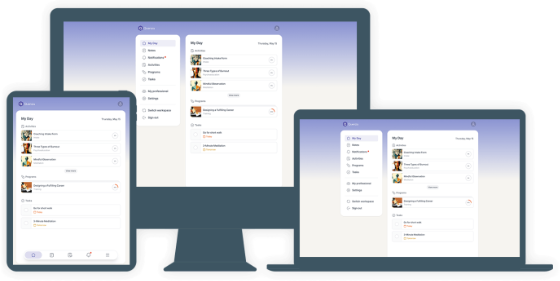
Start Your Free 30-Day Trial
Support your clients between sessions, where real change happens. Try Quenza free for 30 days and add up to 5 clients at no cost.