When seasoned professionals hit plateaus, feel unfulfilled, or crave new challenges beyond current roles, major career transitions promise exciting fresh chapters realigning vocations to evolving hopes.
Yet shifting industries or functions amid economic uncertainty and ageism biases requires thoughtful navigation. This is where career transition coaching becomes invaluable —guiding significant reinventions through personalized goal-setting, upskilling, opportunity mapping and mindset shifts.
Understanding Career Transitions
Making a career transition is a major life change that requires thoughtful planning and preparation. A career transition means switching to a new industry, job role, or work environment that differs significantly from your past experience.
Common Reasons for Career Changes
There are many potential motivations for changing careers:
- Seeking better compensation, benefits, or work-life balance
- Pursuing a passion or long-held dream career
- Gaining more meaningful or fulfilling work
- Acquiring new skills and challenges
- Improving promotion opportunities or career development potential
While career transitions stem from intrinsic personal reasons, external factors can also prompt people to consider a switch. Major events like company layoffs, relocations, health issues, family needs, or economic shifts may lead someone to reevaluate their career path.
The Career Change Process
Successfully transitioning careers requires carefully navigating multiple steps:
- Self-assessment of interests, skills, values, and professional goals
- Exploring alternative career options and paths
- Getting the necessary training, education, or credentials
- Building connections and growing professional networks in a new field
- Tailoring resumes, portfolios or websites, and other application materials for a career change
- Developing strategies to explain the reasons for transitioning careers to employers
Each phase poses unique hurdles compared to a traditional job search within the same industry. People changing careers must essentially market themselves as qualified candidates despite their unconventional backgrounds.
Challenges of Changing Careers
While exciting, career transitions also carry significant psychological, financial, and professional risks, such as:
- Income instability or pay cuts when initially switching fields
- Loss of seniority, credentials, connections, or reputations built in a previous career
- Difficulty getting interviews or jobs without direct industry experience
- Tough competition when lacking necessary credentials, education, skills or training compared to industry veterans
- Psychological struggles with identity, confidence, or coping with setbacks
- Overcoming skepticism from hiring managers about motives, skills, or experience
Juggling these hurdles without guidance can severely undermine one’s morale, productivity, and ultimate success. For this reason, career transition coaching provides vital support for critical career changes by helping manage uncertainty, fear, and obstacles throughout the job change process.
Benefits of Working with a Career Coach
Embarking on a career change without guidance poses numerous psychological, logistical, and professional hurdles. An experienced career coach provides indispensable value for navigating major transitions by offering:
External Accountability and Structure
Career changes demand proactivity, motivation, and self-discipline to succeed, which can fluctuate when tackling challenges alone. A coach imposes structure, expectations, deadlines, and accountability to drive consistent progress through small wins. They minimize distractions and uncertainty paralysis by keeping your eyes on the prize.
Coaches also customize structured career roadmaps aligned to your individual strengths, weaknesses, and aspirations. Their objective insight spots gaps between your perceptions, assumptions, and realities that derail progress when unaddressed.
Personalized Guidance and Feedback
Generic career playbooks fail to capture unique complexities involved in switching fields. An experienced career coach assesses your exact scenario to provide tailored guidance, feedback, and solutions.
They help troubleshoot frustrations, offer alternatives you may overlook, and reality-check your ideas or approaches. Customized coaching conversations also build self-awareness around growth areas to refine.
This targeted support accelerates your ability to navigate ambiguities, adapt to changes, and overcome obstacles. It also boosts confidence to tackle intimidating career pivots independently long-term.
Industry Connections and Networks
Well-connected coaches leverage insider industry perspectives you lack as an outsider. They identify relevant contacts, associations, events, groups, and hidden job market opportunities.
Your coach also markets your value to critical gatekeepers, endorses your capabilities, and gets your credentials or materials directly into the right hands. This accelerates your integration into new professional circles and hiring manager awareness despite nontraditional backgrounds.
Interview Preparation and Salary Negotiation
The job search and interview dynamics differ significantly when changing fields, especially regarding explaining your motives, transferable abilities, and quick ramp-up potential. Coaches help craft persuasive narratives around your career change pitch.
They also conduct extensive mock interviews tailored to your target roles, organizations and hiring manager psychologies. This builds fluency explaining your unconventional trajectory. It also uncovers presentation or response blindspots ahead of high-stakes meetings.
Finally, coaches provide insider compensation data to negotiate fair offers aligned to your niche skillset rather than strictly past titles or experience levels. This maximizes income potential despite career pivots to new functions or levels.
Ongoing Troubleshooting and Encouragement
A quality career coach remains available between milestone sessions to troubleshoot real-time priority issues. Having readily available morale and tactical support minimizes derailments and distraction tangents. It also provides encouragement during vulnerable moments of doubt, frustration, or deflation.
Their outside perspective objectively reframes setbacks as temporary obstacles rather than permanent indictments on your potential or decisions. This tempers extreme emotional reactions to maintain persistence and optimism when initiative wanes.
In total, customized coaching conversations, connections, feedback, and accountability structures accelerate successful transitions into unfamiliar career territories. The gains in speed, preparedness, and minimized risks and frustrations easily justify the investment for those navigating major professional changes.
The Value-First Practitioner (Free Guide)
Discover how 10,000+ practitioners grow their practices through client transformation, not marketing.
Creating a Career Transition Plan
Structuring an effective career transition plan is vital for navigating major professional changes successfully. This roadmap defines each phase of your career pivot journey and the key actions needed to bridge skill or experience gaps.
Conduct Extensive Self-Assessment
The first component involves comprehensive self-examination across multiple facets:
- Interests: What professional activities energize and excite you? Which specific job duties seem appealing?
- Values: What work environments or cultures best fit your values and priorities?
- Skills: What transferable abilities, knowledge, or strengths can be leveraged into a new field?
- Personality: How do your natural dispositions fit different work settings or team dynamics?
- Lifestyle needs: What income, schedule, location, or benefits requirements must new roles meet?
Analyze patterns across your career and life experiences to identify common threads pointing toward ideal next steps. Seek input from unbiased friends, family, coworkers, coaches or advisors to challenge assumptions or blindspots.
Common self-assessment tools include skills/values card sorts, personality tests like Myers-Briggs or Enneagram, favorite job duty rankings, vision boards, informational interviews, and reflective journaling. External coaching conversations also provide alternative interpretations.
Identify Target Roles and Required Qualifications
Next, pinpoint specific open positions or job titles aligned to your assessed fits and preferences using resources like:
- Job boards filtering by keywords related to your top skills, interests etc.
- Professional associations’ career centers showing in-demand roles
- LinkedIn Jobs using hashtags reflecting niche skillsets
- Informational interviews with industry insiders for hidden opportunities
- Company career pages revealing targeted openings
Analyze multiple job postings for must-have credentials, competencies, education, level-of-experience and required abilities to perform target duties. Highlight common themes across listings tied to essential qualifications.
Address Experience and Skill Gaps
Compare target role prerequisites against current abilities indicated on your resume. Identify explicit skill, knowledge, or competency gaps requiring development through:
- Certifications confirming new expertise
- Volunteering to gainexposure to niche environments
- Apprenticeships working alongside industry veterans
- College degrees or career-specific classwork
- Side businesses/projects showcasing capabilities
- Temporary contracts in adjacent roles building relevant skills
- Informational interviews with professionals suggesting gap priorities
- Self-study educational programs focused on priority knowledge areas
This bridges expertise shortcomings that would otherwise undermine hiring manager confidence when evaluating your readiness. It also structures talking points demonstrating your investment toward rapid capability development in conversations.
Create Customized Job Search Documents
Next, update essential job search collateral like your resume, LinkedIn profile, cover letters or online portfolios. Craft targeted content accentuating crossover abilities from past experiences while positioning your evolving skillsets developed through gap training initiatives.
Emphasize quick learning aptitudes, motivation and cultural fit given limited direct industry backgrounds. Use keywords from target job listings throughout materials. This convinces gatekeepers you have carefully researched prerequisites and proactively invested in priority credentials aligned to open positions of interest despite nontraditional trajectories.
Network Within New Professional Circles
Expanding connections into an unfamiliar industry accelerates access to insider opportunities, hiring manager relationships and referral potential. Dedicate adequate time upfront expanding your network through:
- In-person trade show, conference, association, meetup or community events
- Cold outreach emails when you share niche credentials or interests
- Warm introductions from existing contacts into new groups
- Informational interviews to build authentic relationships
- Relevant social media groups and forums
- Volunteering for industry organizations
This visibility plants seeds for future job leads, insider references and updated industry perspectives. It also builds reassuring social proof despite unconventional backgrounds. Hiring managers view candidates more favorably when mutually connected to their own association circles and subgroups.
Prepare Persuasive Interview Stories
Finally, construct a compelling value proposition explaining your career change rationale, transferable abilities, quick ramp-up potential and cultural alignment. Refine through mock interviews and feedback tailoring messages to different listener psychologies. Emphasize cross-applicable strengths while positioning motivations favorably.
Describe specific transferable experiences, trainable nature of missing abilities and existing relevant knowledge to ease concerns about learning curves. This persuasive self-marketing eases doubts stemming from nontraditional trajectories. It also compels opportunities to showcase niche-but-valued capabilities despite mixed qualifications on paper.
In total, structured career pivot plans bridge critical gaps while accelerating industry connections and showcasing crossover potential from past roles into new functions. They minimize friction, costs and setbacks throughout transitions by setting clear roadmaps, priorities and talking points. Dedicated focus areas also demonstrate commitment toward rapid capability development and integration motivation.
Developing New Skills for Your Career Switch
When changing careers, the most vital component involves strategically developing fresh abilities tailored to new professional environments. This bridging of skill gaps smooths transitions by easing hiring manager concerns about readiness. It also structures talking points demonstrating investment toward rapid capability building when pitching unconventional candidacies.
Conduct Skills Gap Analysis
Start by carefully analyzing target job listings reflecting aspired roles post-career change. Make a checklist of all credentials, competencies, technical tools, industry knowledge areas, and field-specific capabilities explicitly required across multiple openings. These reflect baseline prerequisites for functional acceptance.
Next, audit your existing resume’s skills section against this aggregated checklist. Identify precise gaps where you lack direct exposure or expertise compared to veteran candidates. The bigger and more specialized these gaps, the more concerns will arise regarding your qualifications and employability initially.
Research Priority Skills Most Valued
With gaps clarified, research which handful of missing abilities industry insiders consistently highlight as most essential for success. Combining job listing patterns with feedback from informational interviews, associations and insider perspectives spotlights key competency priorities.
For example, social media marketing roles may universally expect Google Analytics and project management software expertise. Sports coaches prioritize physiology and first aid/CPR certifications. Software developers emphasize SQL databases and ReactJS programming. Clarifying “must-have” capabilities focuses training investments best.
Choose Low-Cost Bridging Strategies
Once you identify the most urgent aptitudes requiring development, get creative obtaining lacking credentials through means like:
- Free or low-cost online courses teaching niche skills, tools or knowledge
- Volunteer projects allowing hands-on capability building
- Side gigs/freelance work providing real-world experience
- Job shadowing programs working alongside veterans
- Internships focused on high-priority responsibilities
- Relevant mentorships with seasoned professionals
- Industry events/groups building communities of practice
- Apprenticeships focused on specialized techniques
- Micro-certifications confirming narrow competencies
This showcases resourcefulness closing experience gaps without formal training investments. It also demonstrates sincere motivation ramping up through creative self-starting efforts. Both impressions compel hiring manager interest despite missing technical credentials that initially seemed concerning.
Some options like conferences, events or online tutorials offer low-cost immersion into niche knowledge ecosystems. Others like side gigs or volunteer initiatives provide hands-on skill building unavailable through passive learning alone. This blended exposure bridges both conceptual and practical gaps thoroughly.
Highlight Ongoing Learning Orientation
When pitching career changes despite skillset gaps, emphasize intrinsic passions toward continuous capability building rather than just formal credentials. Describe active efforts expanding knowledge through:
- Industry blogs, magazines, newsletters or podcasts
- Relevant books, research publications or insights
- Niche online forums and communities of practice
- Conferences, seminars, workshops or training events
- Certification exam preparation initiatives
- Job shadowing, mentorship or volunteering programs
This demonstrates a growth mindset prioritizing lifelong learning – the hallmark of adaptable professionals who upskill perpetually as industry landscapes evolve. It also shows interviewers your intrinsic motivation transcending just formal requirements or assigned development goals from past roles. Both traits reveal self-starting orientation suiting rapidly changing workplace demands despite unconventional backgrounds.
When combined with tangible quick-win skill-building pursuits described earlier, this paints a holistic portrait of candidates inherently committed to rapid mastery attainment through varied channels when facing unfamiliar capabilities required in new professional environments.
In total, structured competency gap bridging plans accelerate career change transitions by proactively tackling prerequisite credentials often lacking when switching fields unexpectedly. They also strengthen narratives positioning your transferable abilities and intrinsic learning agility during high-stakes interviews. This persuasively markets underqualified candidates despite missing technical qualifications on paper.
Handling Job Search Challenges During a Transition
Those undergoing career transitions face exceptional job search hurdles compared to traditional applicants. From resume gaps to limited networks, numerous obstacles undermine success:
Resume Gaps and Experience Deficits
Hiring managers scrutinize resume chronology flows assuming continuity across progressive roles. Unexpected gaps or missing prerequisite experiences in new functions raise concerns about readiness, especially if recent.
This triggers assumptions of weakness rather than neutral, value-added self-improvement interludes. It also spots skill deficits requiring heavy investment compared to veterans with steady domain building.
Without proactive framing, applicants risk being seen as high-risk gambles relative to safer, stable candidates boasting conventional paths.
Limited Industry Connections and Visibility
Networks exponentially expand access to unposted opportunities, insider referrals and hiring manager relationships. Yet career changers enter new fields as unknown outsiders with few relevant ties.
This restricts visibility into embedded hiring circles formed through years of conference interactions, alumni associations and niche community bonds tied to industry veterans and gatekeepers.
Cold applications from unfamiliar candidates often receive low priority without shared schooling, past employers, locales or connections earning goodwill through historical contributions.
Unconventional Interview Justification Burdens
Candidates with significant unrelated backgrounds must persuasively rationalize sudden change motivations without raising doubt.
Interviewers often apply intense scrutiny around red flag signals like:
- Ulterior motives (e.g., desperation from past role troubles)
- Impulsivity and distractedness (e.g., lacking commitment)
- Personality conflicts or rigidity (e.g., unable to adapt to settings)
This pressures applicants to thoughtfully showcase legitimate business reasons behind transitions, goal congruence, requisite abilities and cultural compatibility to minimize skepticism of misaligned fits.
Scripted narratives aligned to specific role scopes calmly ease assumptions of volatility by evidencing career changer potentials as strategic hires meeting unmet organizational needs.
Unclear Employer Value Propositions
Traditional applicants market abilities using stable title progressions matching conventional expectations.
In contrast, career changing candidacies seemingly regress down industry or experience hierarchies without shared frames of reference.
This pressures applicants to clearly translate obscured but niche transferable strengths into compelling pitches of immediate performance utility and long-range value difficult for strictly vertically-promoted veterans to replicate.
| Hurdle | Mitigation Strategies |
|---|---|
| Resume gaps | Embed optional Career Breaks section listing skill building pursuits |
| Limited networks | Research hiring manager shared university, past employers, locales for talking points |
| Justification burdens | Prepare talking points aligning motivations to role needs |
| Unclear value proposition | Quantify application of obscure but useful strengths |
In total, unconventional career trajectories trigger numerous job search hurdles compared to traditional applicants, especially regarding experience gaps, limited networks, motivation burdens and unclear employer value.
Yet tailored mitigation initiatives like resume gap explanations, shared connection identification, change rationale preparation and niche skill translation can persuasively market career changing potentials on par with industry veterans.
Setting Yourself Up for Success in a New Field
After navigating major hurdles through earlier career transition phases, the final preparatory step involves setting yourself up for long-term success once in new professional roles. This requires foresight around positioning, perception, politics and pace.
Proactively Frame Your Narrative
Due to unconventional trajectories, colleagues will likely have preconceived doubts or assumptions about your motives, priorities and capabilities not faced by industry veterans. This is exacerbated by lacking insider credibility and connections early on.
Get ahead of misperceptions by intentionally framing your narrative in earliest interactions, emphasizing:
- Sincere passion for the work itself
- Relevant transferable experiences
- Commitment to rapid capability development
- Desire to integrate within established teams
This shapes first impressions toward seeing you as an engaged, team-oriented colleague earnestly invested in mastery despite nontraditional backgrounds. It also encourages grace around initial learning curves.
Clarify Role Expectations and Requirements
Unlike veteran hires, unclear norms around responsibilities, workflows, priorities and politics can trip up career changers lacking institutional familiarity.
Before diving into work, clarify with managers about role specifics like:
- Formal position requirements and evaluation metrics
- Daily/weekly work cadences and handoff touchpoints
- Coworker personalities, collaboration preferences and grudge politics
- “Unwritten rules” around communication mediums, autonomy practices etc.
This illuminates fuzzy performance hurdles, priorities and relationships early before missteps earn frustration from managers expecting fluency in embedded practices by all team members regardless of backgrounds.
Temper Overeagerness and Expectations
The thrill accompanying career pivots into long-coveted fields can breed impatience to contribute impactfully. But unrealistic demands on unfamiliar capacities will only stress collaboration.
Temper overeagerness by focusing initial efforts on:
- Deeply listening and learning established processes before proposing change
- Building rapport and trust through humility rather than showy expertise
- Highlighting assistance opportunities before driving toward leadership
Patience stabilizing foundational competencies and work relationships accelerates downstream credibility to eventually influence decisions once fully immersed.
Find an Onboarding Mentor
Navigating rocky transitions alone leaves newcomers overwhelmed triaging disjointed problems.
Onboarding mentors provide tailored guidance around:
- Quick wins adjusting to new culture norms
- Insider perspectives on past learnings
- Connections to key peer collaborators
- Minor technical troubleshooting
Having a trusted, non-judgmental sounding board saves wasted energy and painful missteps acclimating to new settings more smoothly. It also expedites integration support unavailable through formal orientation programs.
Celebrate Small Wins and Learnings
The compounding overwhelm from simultaneous tactical, political and self-confidence hurdles during career changes risks quick burnout.
Maintain resilience by intentionally tracking small daily/weekly victories like:
- New process fluency
- Coworker bonding moments
- Capability improvement
- Positive customer feedback
- Goal achievement
This tempers big picture worries with evidence of incremental competency gains. It also sustains motivation by spotlighting how perseverance pays compounding dividends over time – an invaluable mindset sustaining career pivot stamina despite long odd-beating journeys.
Setting honest expectations, building key work relationships, leaning into support channels and celebrating small signs of progress establishes firm foundations realizing the highest potentials from major career pivots into entirely foreign professional settings. This thoughtful positioning creates space patiently accelerating competency development rather than forcing quick contributions before capacities catch up.
Conclusion
In total, structured career transition coaching delivers exponential value navigating major professional changes. From personalized guidance and industry connections to interview preparation and ongoing support, coaches accelerate transitions through expert perspectives and accountability unavailable tackling reinventions alone.
Whether seeking inspirational sparks reimagining potentials, structured roadmaps bridging daunting gaps, or grounded confidence tackling obstacles, the right coach propels efficient progress. Their outside vantage spots overlooked possibilities, priorities and talking points reinforcing fit a statistical hiring manager may otherwise miss given unconventional trajectories.
Frequently Asked Questions
Career transitions often trigger psychological struggles with identity, confidence, and coping with setbacks as you enter unfamiliar professional territory. You may grapple with impostor syndrome, reconcile long-held visions of oneself, or manage others’ skepticism about your nontraditional path.
A career coach provides vital support navigating these emotional pitfalls. Through reassuring external perspective, they reinforce self-belief amidst vulnerability. Coaches also help reframe reactions to obstacles as temporary rather than permanent indictments of your potential or decisions. This tempers extreme doubt or frustration.
Career coaches provide structure, expectations, deadlines and accountability to drive consistent progress. They customize structured roadmaps aligned to your individual scenario, strengths and aspirations. Their objective insight also spots perception gaps between your assumptions and realities that would otherwise derail plans.
Coaches pressure test your ideas, offer alternatives overlooked, and reality check approaches. This tailored guidance accelerates your ability to adapt to changes and overcome hurdles through the transition journey.
Well-connected career coaches leverage insider industry perspectives and relationships unavailable to career changing outsiders. They identify relevant contacts, groups, events and hidden opportunities to accelerate your integration into new circles.
Your coach also directly markets your value to critical gatekeepers, endorses your niche capabilities to key decision makers, and gets your credentials directly into right hands. This rapidly increases visibility despite nontraditional backgrounds, strengthening advocacy channels.
Career coaches help craft persuasive narratives explaining your career change motivations, transferable abilities, and quick ramp-up potential. They conduct extensive mock interviews tailored to your target roles and organizations to build fluency and confidence communicating strengths.
Coaches also uncover presentation or response blindspots ahead of high-stakes meetings with hiring managers skeptical of unconventional trajectories. Their feedback enables continually refined pitches, stories, and crisis response tactics persuading decision makers of your fit despite gaps on paper.
Quality career coaches remain available between major milestone sessions to troubleshoot real-time priority problems that risk derailing progress. This readily available support system minimizes distraction tangents and strengthens resilience during vulnerable moments of doubt, frustration, or deflation.
Their outside reassurance reframes setbacks as temporary obstacles rather than indictments on your potential or decisions. This tempers emotional reactions to maintain persistence when initiative wanes. Ongoing encouragement sustains momentum through an arduous transition.
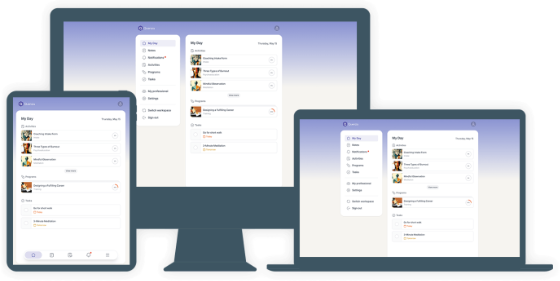
Start Your Free 30-Day Trial
Support your clients between sessions, where real change happens. Try Quenza free for 30 days and add up to 5 clients at no cost.