Navigating career options after college can feel overwhelming yet exciting. With countless directions to consider, determining which path aligns with your innate passions and talents may seem daunting.
Career counseling aims to illuminate this journey by prompting self-reflection to unlock your unique strengths, values and interests. Counselors then connect these inner motivations to potential careers and opportunities to pursue meaningful work.
Exploring Career Options for Students
Navigating career options can feel overwhelming for college students. With countless majors and career paths to consider, it’s difficult to decide which direction is the best fit after graduation. Career counseling aims to help students explore all potential options by identifying their interests, values, skills and personality traits. This self-discovery process allows them to align their career choices with their innate strengths and passions.
Understanding Interests
A starting point for many students is gaining clarity on their interests – the activities they enjoy and topics they naturally gravitate towards. Counselors may have students complete interest assessments like the Strong Interest Inventory or the Self-Directed Search. These tools gauge interest levels across work environments, tasks, subject areas and hobbies. The goal is identifying potential career clusters that engage a student’s curiosity and motivate them.
For example, a student who expresses high interest in creative outlets like writing, art and design may be well-suited to careers in marketing, publishing or media production. One with interests in problem solving and building things might consider engineering or construction fields. Recognizing these interest patterns widens the possibilities a student considers beyond just their college major.
Understanding Values
Values are an equally important element of career decisions. They represent a student’s principles and the deeper motivations that give them a sense of meaning or purpose. Common workplace values include prestige, work-life balance, helping others, creativity, competition, entrepreneurship and stability, among others.
Counselors help students rank their core values and align them with potential career options. This value congruence leads to higher job satisfaction. For example, a student motivated by social justice and community impact may be drawn to careers like non-profit work, social work or public policy. One seeking creativity above all else would fit well in artistic fields like fashion design or photography.
Assessing Skills and Personality
A student’s natural talents and personality traits also steer them towards certain careers over others. Skills assessments help indicate capacities they can leverage like writing, analytics, physical abilities, management competencies and more. Personality tests illuminate work style preferences – like working alone or on teams – and suitability for detail-oriented versus free-flowing work.
For example, an outgoing student skilled in communication and leadership may thrive in sales or corporate training roles. A methodical person who enjoys analyzing data fits in well with scientific research. Recognizing these personal attributes allows students to find the best way of channeling them into an enriching career.
Exploring Options
After developing self-awareness in these areas, counselors introduce students to specific occupations matching their profile. They may suggest particular employers to investigate or professionals to interview. Job shadowing in promising fields also gives helpful exposure. This exploration process prompts students to evaluate how well potential careers align with their inner motivations and talents.
By starting from within to understand their unique interests, values, abilities and traits, students gain clarity on the best career options to pursue after college. Counselors help facilitate this journey of self-discovery leading to informed decisions.
Get Support From Graduate Career Coaches
Degree-holding professionals provide specialized support as graduate career coaches. They understand the challenges of transitioning from higher education to the workforce. Coaches work one-on-one guiding graduate students to optimize their skills, experiences and goals to find fulfilling work.
Matching Majors to Future Job Prospects
College majors equip students with specialized knowledge and skills for certain career fields. However, each major also develops broad transferable abilities useful across industries. Counselors help students understand both the direct job options in their chosen area of study as well as versatile paths their major can support.
Researching Specific Career Projections
Students first examine standard occupations associated with their current undergraduate major. Most college departments provide details on common post-graduate roles and employers that recruit graduates from the major. For example, business schools connect students to openings in areas like marketing, finance, consulting and human resources.
Counselors also introduce labor market research tools from sources like the Bureau of Labor Statistics. These projections offer salary ranges and expected job growth in detailed occupational categories. Students can search for careers using keywords related to their major to understand precise outlooks. This data helps them evaluate potential return on investment for choosing particular fields of study.
Understanding Transferable Skills
While majors prepare graduates for roles in certain domains, many transferable abilities develop as well. For instance, communication, research, critical thinking and project management skills apply widely regardless of major. Counselors help students articulate these versatile competencies gained from undergraduate coursework and activities.
Extracting transferable skills from their major background allows students to expand their career options beyond direct connections. For example, while statistics majors seem specifically suited for data analyst roles, their numerical proficiencies may also add value in financial analysis, sociological research or journalism positions. Determining these adaptable skills opens diverse prospects.
Exploring Alternative Applications
With an understanding that majors equip students with both specialized and versatile skills, counselors prompt them to consider multidimensional applications. This may involve job shadowing professionals using related competencies from the major in untraditional roles or settings.
For example, psychology majors could observe how research and analysis abilities transfer to work in user experience design, market research or business development. English majors may recognize their advanced communication capacities adding value to legal consultants, corporate communications or sales careers. This cross-pollination across industries helps students make innovative connections.
Expanding options beyond expected career trajectories allows students to find the best fit aligning both their specialized expertise and flexible competencies developed through their major and college experiences.
The Value-First Practitioner (Free Guide)
Discover how 10,000+ practitioners grow their practices through client transformation, not marketing.
Identifying Transferable Skills From College Experiences
College equips students with many transferable skills beyond just gaining knowledge in their academic major. Transferable skills are versatile competencies that apply across diverse jobs and industries. Counselors guide students in extracting and articulating these abilities developed through their well-rounded undergraduate experiences.
Core Competencies
All college students build certain core competencies through general education coursework, assignments and activities. These include communication, research, critical thinking, analysis, problem solving and time management skills. Assignments like papers, presentations, projects and exams strengthen these domains – as do roles in student organizations and clubs.
For example, an English literature student gains sharp written and oral communication talents analyzing prose and poetry. A chemistry major develops empirical research skills and analytical precision from laboratory experiments. Regardless of major, these fundamental proficiencies groom versatile, employable graduates across fields.
Specialized Skills
Beyond core abilities, specialized skills also emerge from a student’s chosen academic focus. Their major equips them with technical know-how, terminology, tools and best practices to excel in related career paths. For example, software engineering majors master programming languages like Java and Python.
However, subsets of these specialized skills may transfer to other industries in invaluable ways. An education major gains teaching and coaching talents useful for corporate training roles. A mathematics major possesses statistical model proficiencies that empower roles in machine learning, finance or research. Extracting these transferable dimensions within their major expertise expands possibilities.
Extracurricular Development
College learning also occurs outside the classroom through varied pursuits like sports, Greek life, student government, clubs and jobs. These activities build project management, teamwork, leadership, creative, fundraising, interpersonal and organizational skills. Students immersed in these domains gain exposure to multifaceted real-world competencies.
For example, planning major campus events enhances coordination abilities. Managing editorial responsibilities for a student newspaper strengthens communication talents. Interning at an accounting firm builds financial analysis chops. These experiential learnings equip versatile skills beyond academic course content.
Articulating Strengths
With counselor guidance, students map out these well-rounded competencies gained from diverse college experiences. This includes both technical expertise in their major as well as adaptive talents like communication, critical thinking and teamwork cultivated across settings.
Tools like skills assessment inventories, informational interviews with professors and reflection exercises help students take stock of transferable abilities. Clear articulation prepares them to demonstrate versatile qualifications for employers beyond just major-specific knowledge.
This holistic mapping of competencies empowers students to put their well-rounded capabilities into words. They can showcase adaptability and added value beyond surface-level academic credentials. Counselors equip students to unlock this fuller potential within their college skill sets.
Gaining Career Clarity Through Assessments
Career assessments are diagnostic tools used by counselors to help college students gain insights about themselves and align their career choices. Assessments evaluate a student’s interests, values, personality traits, and skills to match them with suitable careers that utilize their strengths.
Interest Assessments
Interest assessments like the Strong Interest Inventory, UNIACT, or CISS evaluate enthusiasm levels across work activities, subject matter, hobbies, and occupations. They help students recognize interest patterns related to realistic, artistic, investigative and other career personality types. High interest alignment with a career improves motivation and retention. For instance, a student strongly interested in entrepreneurial activities would find consulting, business development or marketing appealing.
However, relying too narrowly on measured interests can restrict options. Counselors ensure students remain open-minded to unconsidered paths that develop new passions. For example, a civil engineering student unsure about construction careers discovers a talent for project coordination after job shadowing managers.
Values Assessments
Values assessments like Values in Action (VIA) Character Strengths, Life Values Inventory (LVI) or Values Preference Questionnaire help students rank qualities important for career satisfaction like prestige, stability, creativity or work-life balance. Jobs fulfilling top-tier values offer meaningful impact.
However, students may rank versatile values like leadership, continuous learning or responsibility highly valued across industries. Counselors prompt reflection on specialized contributions unique to particular fields for fulfillment. For example, an education student drawn to leadership explores how applying coaching abilities uniquely empowers teachers.
Personality and Skills Assessments
Evaluating natural preferences through MTBI, DISC or other personality tests helps gauge work style fit across environments – like preferring innovation, independence or collaboration. Skills assessments likewise quantify competencies in communication, digital abilities, management and other areas associated with career success.
However, adapting existing traits or cultivating new skills is also possible to widen options. For example, risk-averse students find allowing some ambiguity opens entrepreneurial paths. Practicing public speaking can inspire teaching careers despite initial nervousness. Counselors nurture growth mindsets when addressing assessment limitations.
While assessments narrow suitable options, career exploration catalyzes newfound passions. Continually balancing data-driven insights with real-world exposure uncovers best-fit careers.
Building Networks and Connections
Networking is an invaluable skill for college students to cultivate in order to access career opportunities. Counselors emphasize the importance of continuously expanding one’s professional community throughout school and beyond graduation. This relationship-building enhances job prospects and facilitates impactful connections that further students’ goals.
The Power of Connections
Over 80% of jobs are landed through personal and professional relationships, underscoring the role of networking in unlocking career potential. Counselors convey that who students know is just as crucial as what they know when seeking employment.
Networks offer insider information on unposted job openings, employer needs and industry trends that prepares students for targeted opportunities. The right contacts facilitate introductions, provide references and endorse applicants throughout the hiring process – giving them a competitive edge.
Continually nurturing this circle of supporters advances students’ aspirations better than just submitting applications alone. Counselors emphasize networking as a lifelong, multifaceted process rather than just seeking transactional career connections.
On-Campus Relationship Building
The college environment offers a prime landscape for students to cultivate networking skills within their campus community. Forming bonds with peers in their major or extracurricular domain exposes them to classmates’ internships, projects and contacts – expanding their own web of opportunities.
Faculty also provide invaluable mentoring, industry insights and professional introductions from their applied research, corporate and institutional partnerships. Building strong faculty relationships leads to project collaboration, informed advising and personalized recommendations that propel students forward.
Additionally, campus career center staff connect students to alumni in their intended industry for job shadowing, networking events and application advice. These groups help students build organic relationships with working professionals in their future field.
External Relationship Cultivation
Students should also network beyond campus to diversify their industry exposures. Attending regional professional association meetings, conferences and community events allows students to interface with organizations and insiders driving local job markets.
Informational interviews similarly offer low-stakes opportunities to connect with professionals at target employers and gain insights about company needs. Students also expand networks through part-time jobs, internships, volunteering and project collaborations exposing them to new contacts and career possibilities.
Finally, counselors emphasize responsibly leveraging online networks on sites like LinkedIn to tap expanded connections through shared communities. Social platforms democratize networking, allowing students to efficiently build rapport and opportunities.
Strategic Relationship Management
As networks expand, counselors stress avoiding transactional interactions with contacts solely when students need something. Strategically nurturing connections over time through checking in and sharing valuable information earns others’ reciprocal support.
Recording details like where students met new contacts, their expertise and past conversations helps customize and strengthen ongoing relationships. Finally, appreciating how students can assist others prevents selfish networking.
Ultimately, networking is most effective when grounded in authentic mutual benefit. Building diverse, genuine connections throughout college cultivates a supportive community that furthers students’ goals and possibilities after graduation.
Preparing Application Materials and Interview Skills
Creating polished application materials and sharpening interview abilities are pivotal for college students’ career pursuits. Counselors guide students to optimize resumes, cover letters and online profiles that make a strong first impression. They also use mock interviews and tips to hone students’ confidence for networking and job screening conversations. By proactively developing these essential skills, students open more doors to opportunities after graduation.
Crafting Compelling Resumes
Resumes concisely showcase students’ accomplishments, skills and fit to employers in written form. Counselors stress leading with the most relevant qualities and contributions based on the specific job description rather than just including every experience. This helps students make persuasive, targeted cases for their candidacy.
They also convey best practices for organizing information under sections like Education, Experience, Skills, Activities and Awards. Counselors emphasize quantifying contributions with metrics and presenting information clearly using bullet points, keywords and simple formatting.
Additionally, they prompt students to extract concise, compelling descriptions from longer job and activity details. This distillation helps students powerfully yet succinctly convey their value on one page. Reviewing many targeted draft resumes reduces generic voids that overlook students’ unique capabilities.
Drafting Dynamic Cover Letters
While resumes summarize overall credentials, cover letters allow students to expand on fit and motivation for a particular job in essay form. Counselors have students analyze job ads to extract key selection criteria and then directly showcase matching examples from their backgrounds.
This helps avoid generic descriptions and empty flattery by grounding content in tangible evidence of students’ ideal preparation for challenges and duties of the specific role. Showcasing domain knowledge and passion for the company’s mission also conveys genuine enthusiasm.
Counselors further suggest expressing flexibility and desire to develop any shortcomings in targeted skills. This balances assertive promotion of strengths with coachability that reassures employers of bringing value from day one while continuously expanding students’ expertise.
Building Online Presence
While resumes and cover letters represent packaged accomplishments, profiles on sites like LinkedIn and ePortfolios offer dynamic space to showcase competencies. Counselors assist with building robust, search-optimized profiles rich in media examples of students’ abilities.
This collateral verifies claims on paper materials to establish credibility. It also offers employers and networks expanded evidence of transferable talents, growth potential and cultural add. Counselors thus prompt students to continually enrich online showcases as their experiences progress.
Public portfolios likewise exhibit talents visually for artistic fields through video, images and recordings. Building multifaceted presences provides employers fuller pictures of students’ offerings beyond two-dimensional application materials.
Preparing for Interviews
While applications garner initial interest, students must also convey qualifications verbally. Counselors leverage mock interviews to prepare students for gracefully articulating their background. They also build awareness of common questions around strengths, weaknesses, reasons for applying and qualifications.
Counselors further explore likely technical questions probing students’ domain expertise from their major and internships. Having concise yet comprehensive stories ready to illustrate skills developed across high-impact experiences boosts confidence.
Additionally, counselors emphasize professional presentation from body language and tone to attire and scheduling prep. Taking ownership to actively listen, find connections and express enthusiasm also cultivates authentic interactions that give students an advantage.
By mastering both written applications and conversational fluency about their abilities, college students broadcast readiness to add value to employers. Counselors equip them to put best feet forward.
Conclusion
Career counseling helps college students navigate an overwhelming crossroads and find fulfilling paths forward. By prompting self-reflection to illuminate their unique strengths and motivations, counselors connect students’ inner passions with potential careers suited to their natural talents and interests.
Equipped with a deeper understanding of their own values, competencies and purpose, students step confidently towards meaningful opportunities. Maintaining an open and proactive mindset, with tools to optimize their experiences and applications, unlocks a world of possibilities. By taking ownership while benefiting from specialized support, college students transform confusion into career clarity.
Frequently Asked Questions
Counselors utilize assessments to evaluate students’ interests, values, personality traits and skills. Common examples include the Strong Interest Inventory for interests, Values in Action Character Strengths for values, Myers-Briggs Type Indicator for personality, and various skills tests. These tools match students with suitable careers aligned to their attributes for greater fulfillment.
However, assessments have limitations so should be combined with career exploration. An initial lukewarm interest assessment for teaching careers may overlook a later-discovered passion through actual classroom exposure, for example. Counselors balance data-driven insights from assessments with the sparks students feel experiencing potential careers first-hand.
Students gain invaluable networking experience within their campus community. Peers, faculty, career center staff and alumni offer insider perspectives, introductions and mentorship. Students should prioritize nurturing these relationships through collaboration, advice-seeking and mutual support.
Additionally, attending regional industry events, informational interviews, part-time jobs and internships build diverse external networks. Joining professional associations, conferences and community initiatives expands visibility. Responsibly leveraging sites like LinkedIn to connect with shared contacts multiplies reach. The college years prime students to cultivate networking skills.
Every major strengthens versatile competencies applicable across industries. Core skills like communication, critical thinking, analysis, research and problem solving arise from assignments, projects, roles in clubs and classes across disciplines. Presentations sharpen public speaking while papers build writing abilities.
Leadership, coordination and interpersonal skills also emerge from student organization governance, group projects and part-time jobs. Quantitative, scientific evaluation and creativity talents similarly surface through diverse academic requirements. Extracting these well-rounded proficiencies from the entire college experience empowers flexible value to employers.
Students should tailor resumes and cover letters directly to target job descriptions rather than taking a one-size-fits-all approach. Specifically demonstrating how accomplishments and competencies address an employer’s stated qualifications and duties convinces why they merit consideration.
Additionally, quantifying contributions using metrics makes a stronger impression than just listing responsibilities. Organizing information clearly with bullet points, keywords and accomplishments up top grabs attention. Expressing genuine passion for the company’s mission in cover letters also spotlights cultural add.
Navigating career options generates confusion with countless pathways for recent graduates. Counselors facilitate essential self-discovery by illuminating students’ interests, values, personality traits and developing skills through assessments.
This prompts informed decisions aligning careers to innate strengths and motivations. Mentors also open doors through industry insights, professional connections and application optimization. Their specialized support provides missing pieces to the puzzle that creates career clarity rather than just anxiety around an uncertain future.
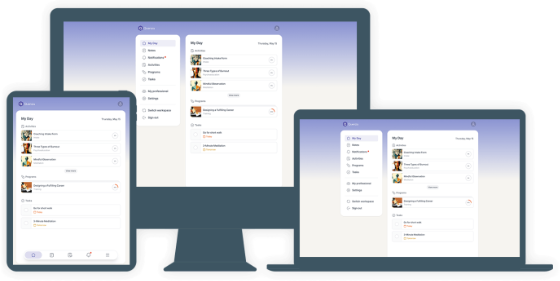
Start Your Free 30-Day Trial
Support your clients between sessions, where real change happens. Try Quenza free for 30 days and add up to 5 clients at no cost.